• BATTLE OF A BRAHMIN

    ‘I am a graduate in B.Ed.’

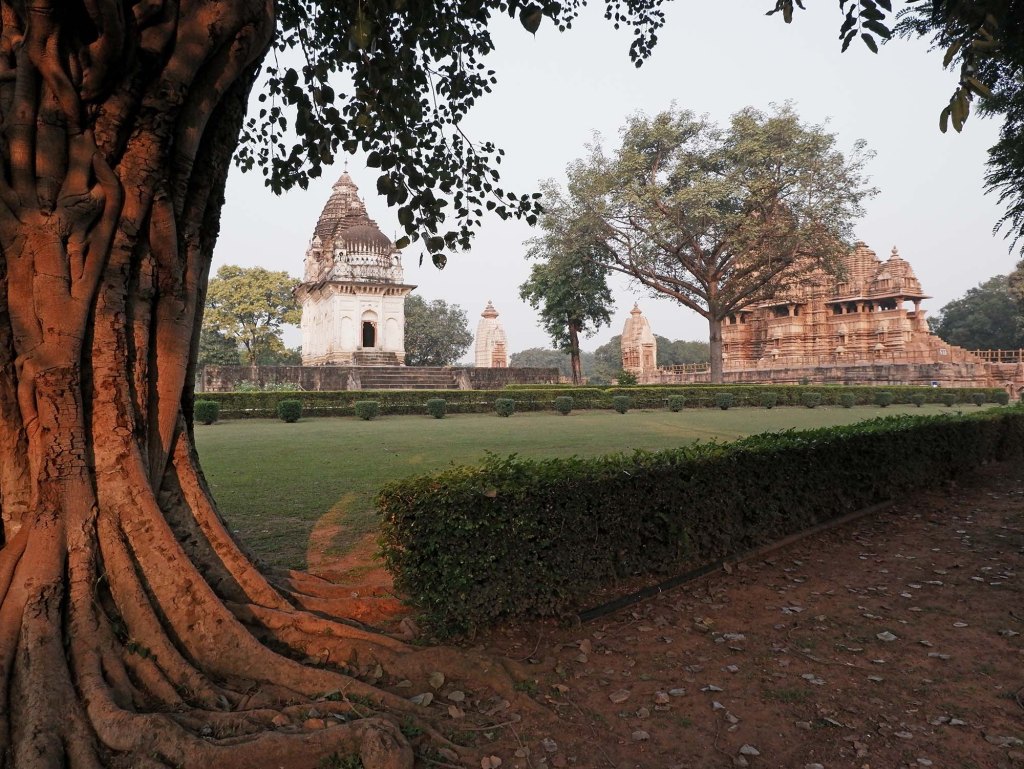
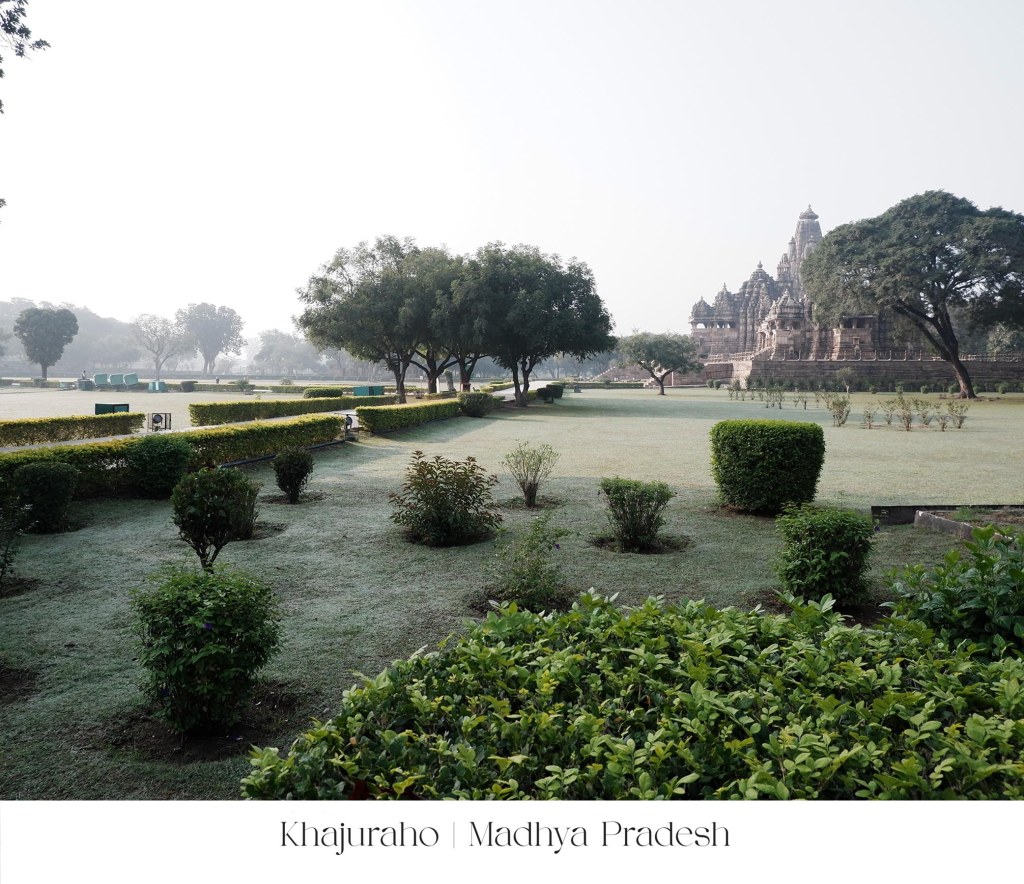
    When Amit Tiwari, a young security guard whose duty is to be watchful at the heritage temple site Kandariya Mahadeva Temple in Khajuraho told me about his plight, I compelled myself to pause from marveling at the spectacular stone temples.

    Thin figure Amit told me ‘My B.Ed batch had 26 students and only two were selected to state aid jobs.’

    I held Amit’s shoulder and asked ‘Why only those two?’

    Amit who works for a security services agency said ‘Those two belong to backward communities, eligible for reservation quota as per state’s employment scheme…uh…we brahmins are overlooked and not considered even if we score high marks in the State Service Exams (SSE) of Madhya Pradesh. This Aarakshan system (reservation for employment) is a joke.’

    A fellow security guard who was standing with Amit was equally vocal against the  employment policy of the state.

    I asked Amit ‘After your duty what do you do?’

    Amit smiled at me and said  ‘I reach home and by night I study to fulfill my hope, I prepare for the next SSC.’

    Amit concealed his emotional outburst with a smile.

    Amit, son of Shakuntala has two sisters – Rekha and Sangeetha.

    Amit’s strongest support is his wife Kushboo.

    I asked Amit ‘Do you want to have tea with me?’

    Amit politely refused and said ‘I am not supposed to move from this spot, I need to be very vigilant and watch the visitors on this site.’

    I admire the spirit and ambition of a youth who is willing to adapt and thrive.

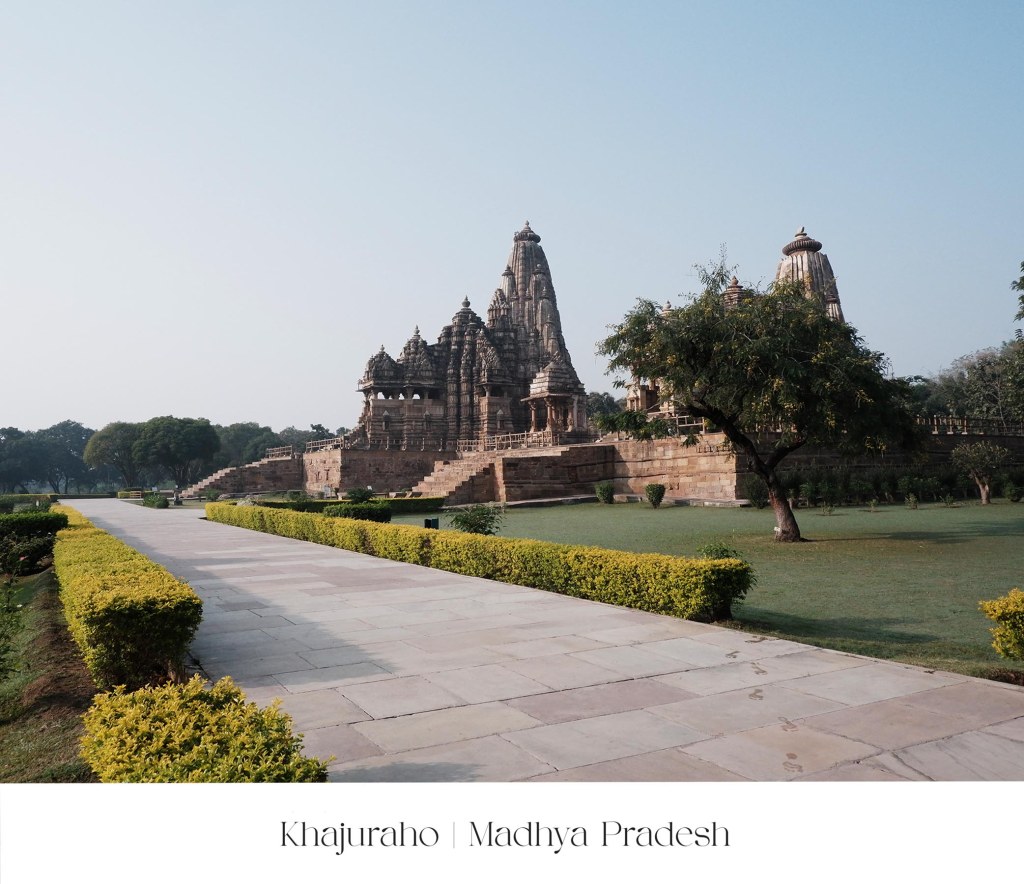
    Khajuraho | Madhya Pradesh

    About the heritage site:- Kandariya Mahadeva Temple

    This is a Hindu temple, the largest and tallest of the surviving temples at the temple site of Khajuraho, in central India. It is dedicated to Shiva, who is represented by the linga in the main shrine known as the womb chamber located at the heart of the building.

    Hindu temples are designed along axis points that extend from the heart of the chamber upward through the line of the main tower (shikara) and outward in the cardinal directions. The main deity image is located in the central shrine, and the outside of the shrine and the exterior of the temple are richly decorated with sculptures. In some design schemes, one views the entire range of existence looking upwards from bottom to top, with plant and animal life near the bottom and the gods and semi-divine beings in various sculptural registers extending towards the heavens at the temple’s summit. The steeply rising superstructure, and overall mountainous form of this temple are references to the mythical source of creation, the primordial Mount Meru, around which the world came into being.

    The Khajuraho temples sit on very large platforms, and it is thought that originally there may have been a lake here beneath them. An association between temple sites and water is appropriate, as an essential part of Hindu worship is ritual bathing, required by the devout in order to purify themselves before entering the sacred area of the temple.The majority of Hindu temples in north and central India were built between the Gupta period (roughly 300–700 CE) and the 1100s. The temples at Khajuraho are considered among the highpoints of classical Hindu architecture in the northern (nagara) style .
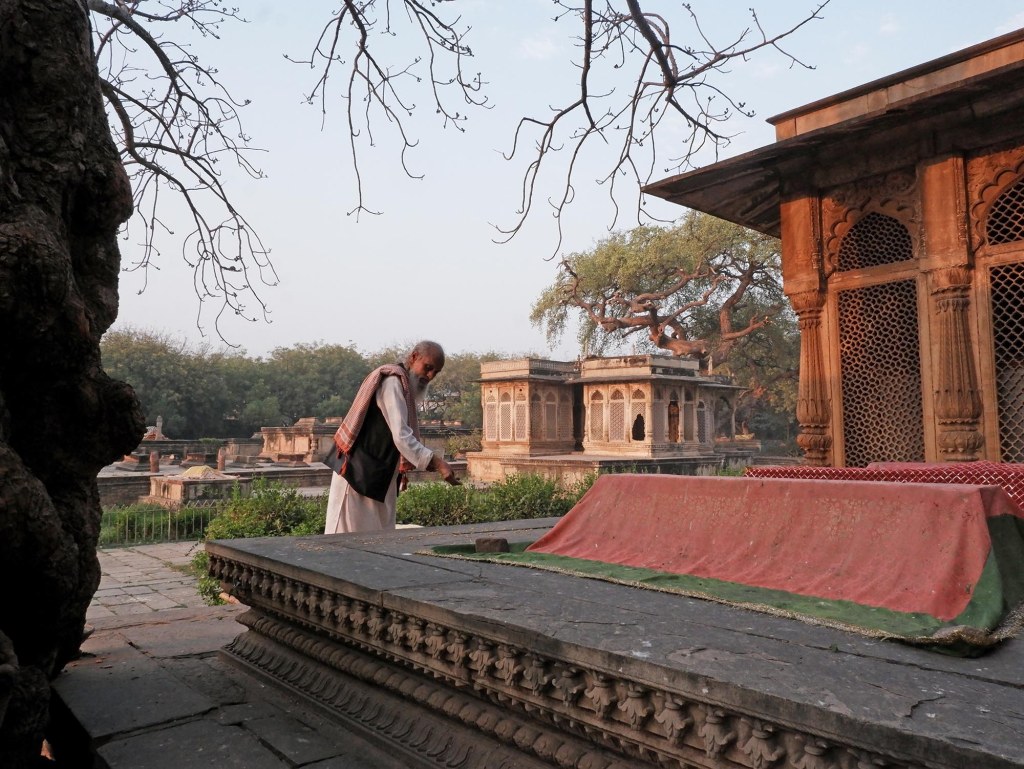
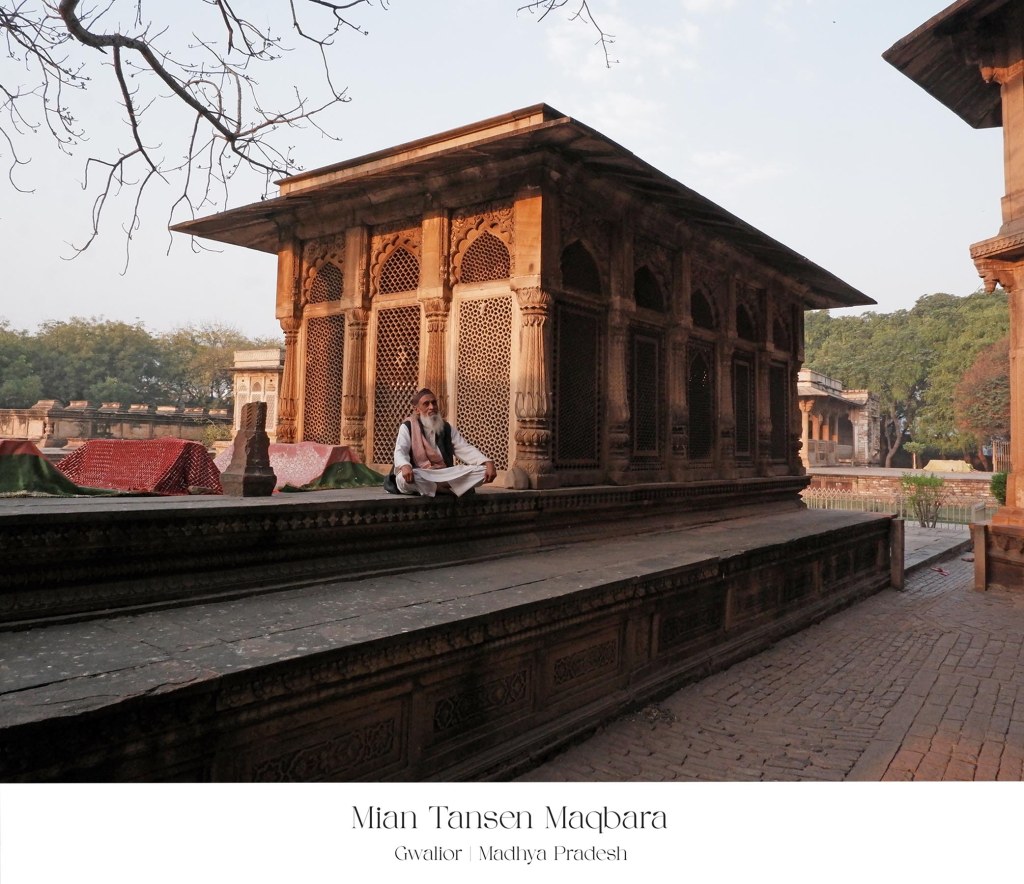
  • Son of a qawwali singer

    Sajjan, servant of a Dargah. 

    Son of a woman whose name was Bibbi Begum.

    Sajjan’s father Munnu worked in a textile factory- Ghanshyam Das Birla’s Gwalior Suitings, Gwalior

    Munnu was a Bhajan and Qawwali singer.

    Gwalior | Madhya Pradesh

    About the heritage site:- The Mosque complex in Gwalior endures as a revered religious shrine.

    Devotees of diverse faiths gather her to seek blessing from the shrine of Sufi saint Muhammed Ghouse.

    Muhammad Ghaus’ tomb, buit sometime after his death in 1563 during Emperor Akbar’s rule, is one of the fine specimens of early Mughal architecture.

    Muhammed Ghaus was held in high esteem by three Mughal emperors: Babur, Humayun and Akbar.

    After assisting Babur in conquering Gwalior Fort, Muhammad Ghaus was granted a substantial area of land where he created a shelter place where people with artistic and creative interest meet to express their talent.

    Many singers and artists received patronage and support from Muhammed Ghaus to pursue their passion.

    One such student was Ramtany Misra, more popularly known as Sangeet Samrat Tansen, who eventually became one of the Nine Jewels (Navratnas) in Emperor Akbar’s court.

    Tansen’s initial music training was under Swami Haridas. 

    Later on, Tansen became an admirer of Muhammed Ghaus, who brought Sufi influence in his music.

    Tansen’s tomb, a fairly simple structure with an open Pavilion and a tamarind tree, is situated right next to his teacher’s grand mausoleum

    The places where Sufi saints are buried are considered very holy.

    Sometimes, disciples and devotees close to the saint are also buried in the Dargah complex.

  • MALIK DEENAR MOSQUE

    When I was waiting for a public transport bus  in Kasaragod to visit an ancient Mosque, I met an aged man and asked him

    ‘What you do professionally?’

    Man who was attired in white shirt and dhoti said

    ‘I am professional cook for marriage functions.’

    I asked him ‘Can you tell me about the inception of your career?’

    He was very vocal about his backstory ‘I ran away from my Kannur home when I was just 11, reached Hyderabad.Started working under a renowned cook there, and learned the methods.’

    Aged man guided me to get the right bus to Malik Deenar Juma Masjid.

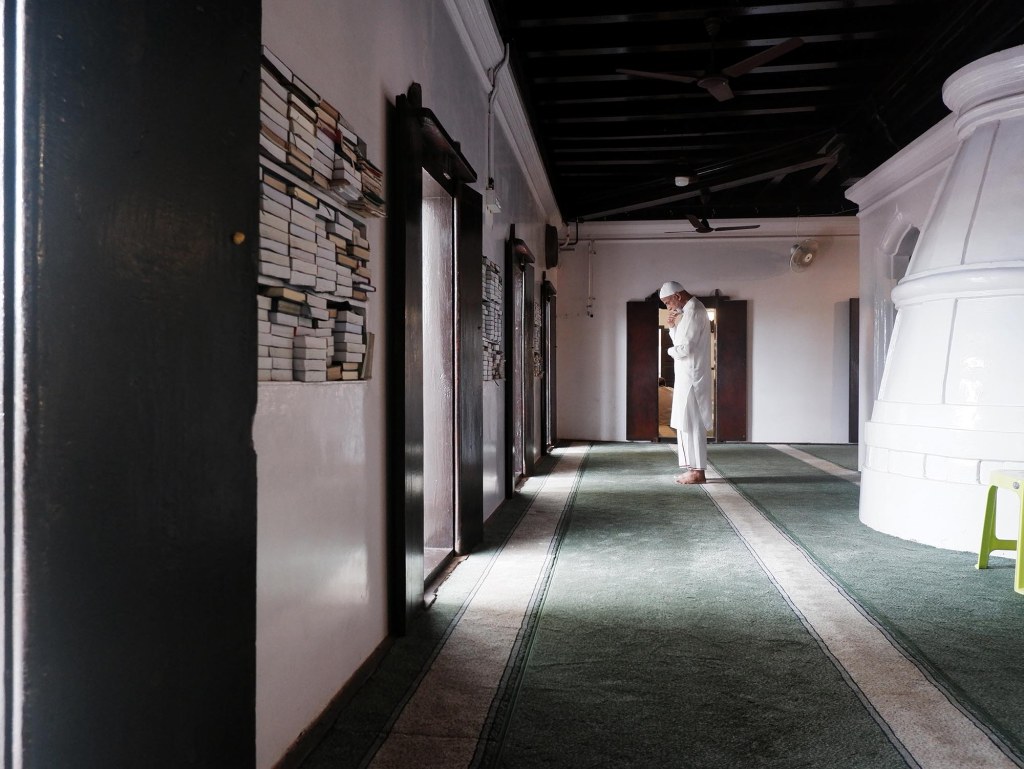
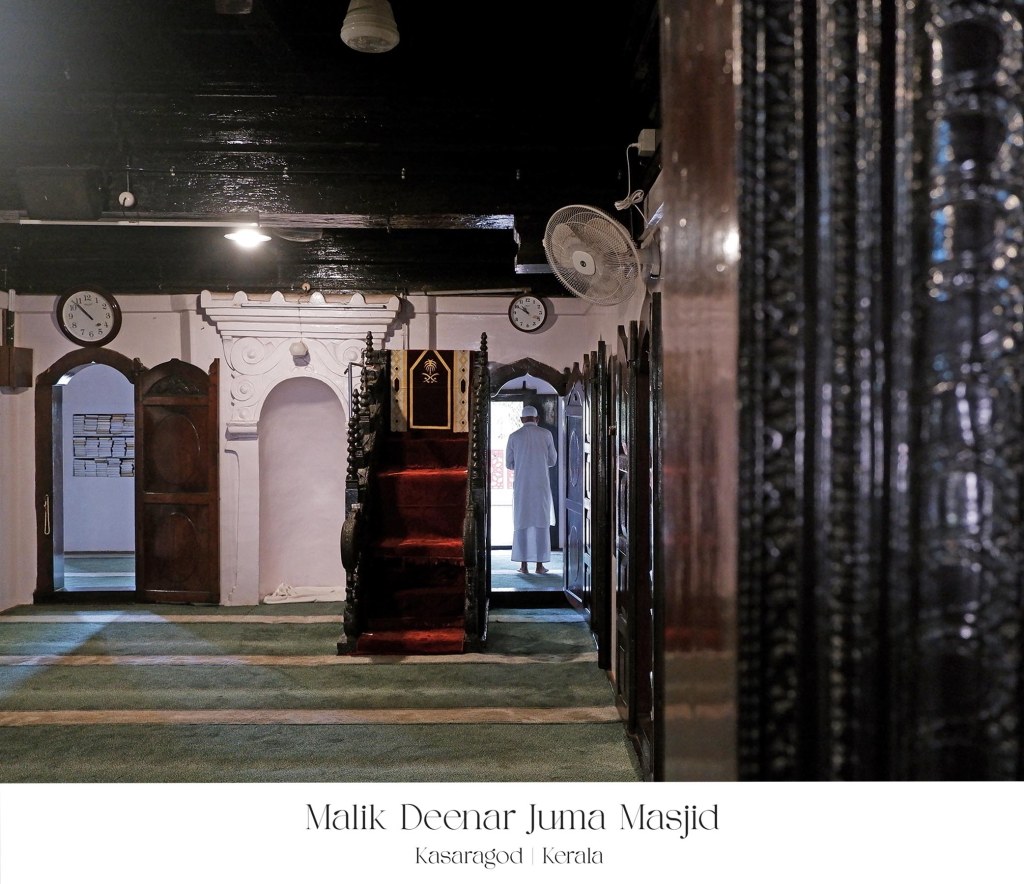
    About Malik Deenar Mosque | — The historic Malik Deenar Juma Masjid built in the typical Kerala style is believed to have been founded by Malik Ibn Deenar. The mosque, Juma Masjid, which is one of the best kept and most attractive in the district, is located at Thalankara, Kasaragod, Kerala.

    Malik bin Deenar or Malik Ibn Dinar was a Tabi‘in who is famous for being the first to bring Islam to India. In 624 AD, Malik Ibn Deenar and 12 of his trade associates landed in Kerala. Their mission was not just trade but to propagate Islam in other parts of the world. The delegation consisted of Sharaf Ibn Malik, his brother Malik Ibn Deenar and his nephew Malik Ibn Habeeb Ibn Malik.  The mission reached at Kanhirakode (now Kasaragod).  Their distinct way of trade and the propagation of Islam soon attracted the attention of the then ruler Cheraman Perumal. On enquiry, Malik Bin Deenar and his comrades related the reason for their honest trade practices to be their recent conversion to Islam.

    Soon the king was fascinated by the doctrines of this new religion which prompted him to embrace Islam.

    They erected the mosque on 13th Rajab, 22 Hijra (A.D.642) and his son Malik Ibn Muhammad was nominated as the Qazi of the mosque. Years later, the mosque was reconstructed in A.D.1809 (1223, Hijra) by the generous helps from the native people.  It contains the grave of Malik Ibn Mohammed; one of the descendants of Malik Ibn Dinar and the places is sacred to Muslims. An important local celebration takes place every year in commemoration of the arrival of Malik Ibn Dinar.

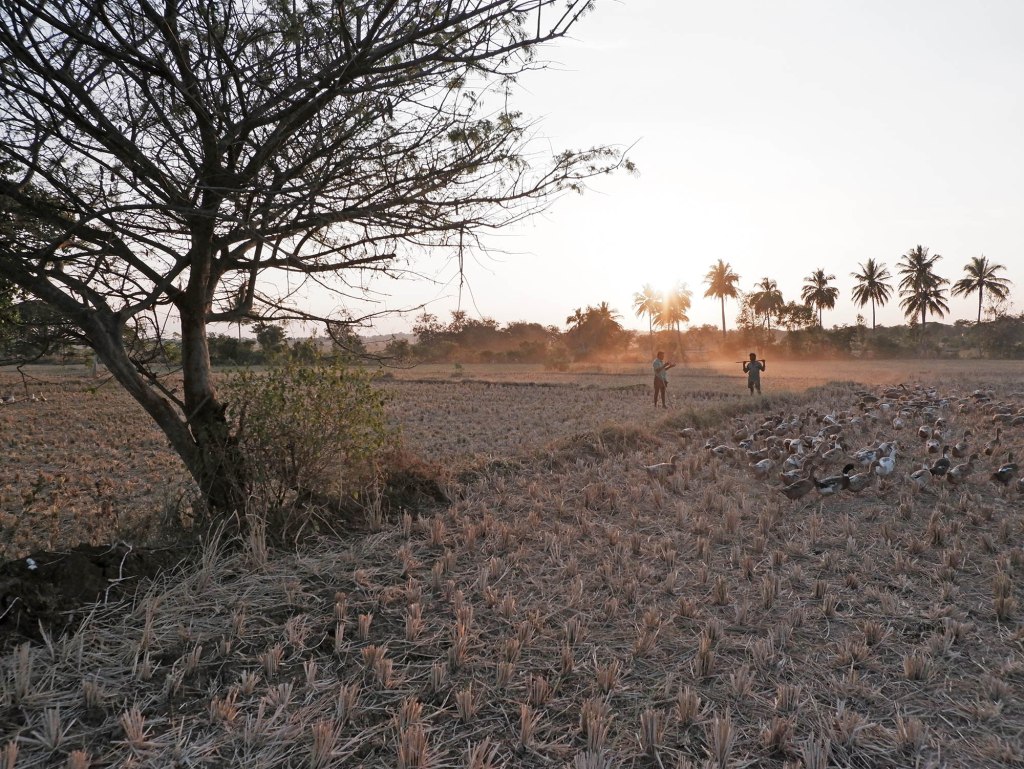
  • Vinayak walk with ducks

    Vinayak and his partner own many ducks and have a nomadic life.

    Sporty looking Vinayak is a Keralite who began his journey from Palakkad along with ducks.

    The duo transits along with ducks from one region to another by road.
    They have the knack to find a convenient land for their shelter,
    they ensure their ducks get food from harvested lands.

    I was on my way to Mysore for an assignment. A twilight moment compelled me to stop my drive. I pulled my Fuji camera and walked the harvested land to meet an unfamiliar person. Vinayak and his partner were simply easy to converse, their spirit influenced me to stop my drive when I was attracted to a moment during the memorable journey through Karnataka.

    Lord Ganesha the beloved elephant-headed deity in Hinduism, is also known as Vinayak.

    Talakad | Karnataka | India

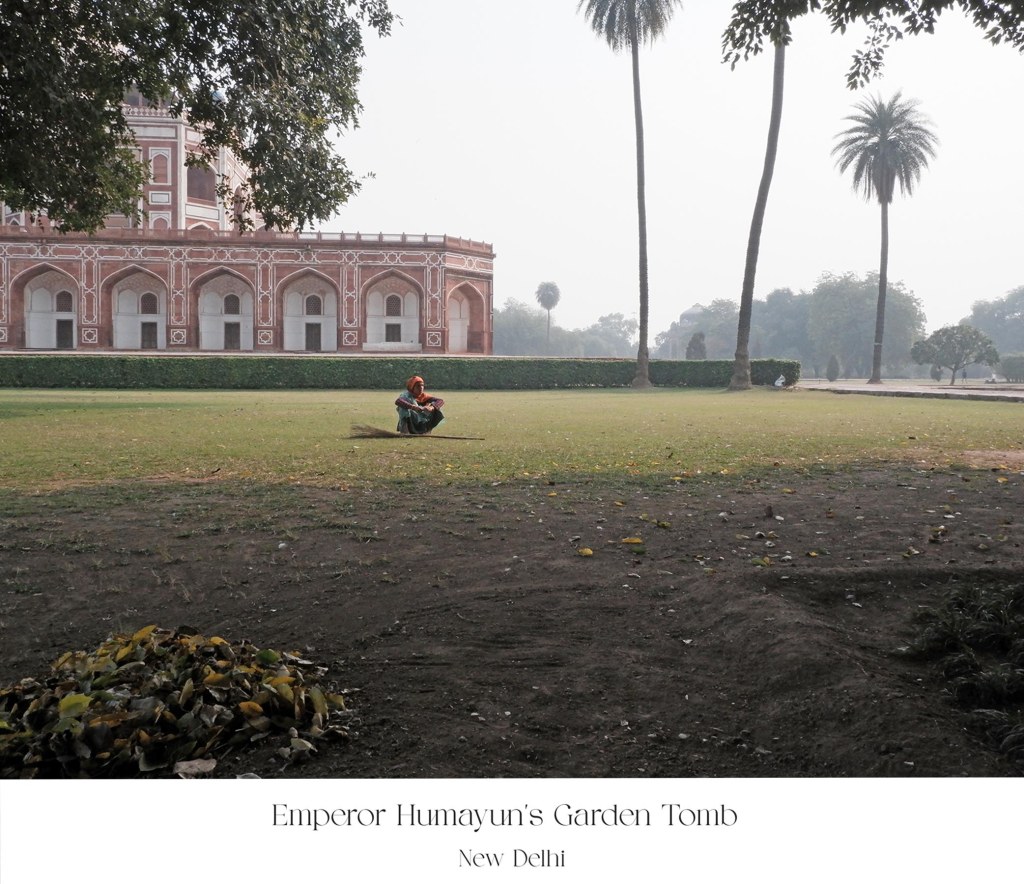
  • ‘Hum bahut door se hein, janab.’ (we travel a long distance).

    Response of a woman paused me to think about the human labor beneath beauty of a Mughal Emperor’s garden grave.

    A lady named Hashmat was taking a break from her sweeping job. I noticed a tiny human figure Hashmat in front of a huge monument warming  herself by the ascending sun.

    10.22am in November.

    After clicking a few pictures I asked Hashmat ‘Where is your home?’

    She took a while to reply to me. Hashmat is one among many garden maintenance workers who are hired by the caretaker of the splendid garden.

    Site | Emperor Humayun’s Garden Grave

    New Delhi | India

    Photography device | Fujifilm XT-200

    Author & Photographer | Sam Maria Viji

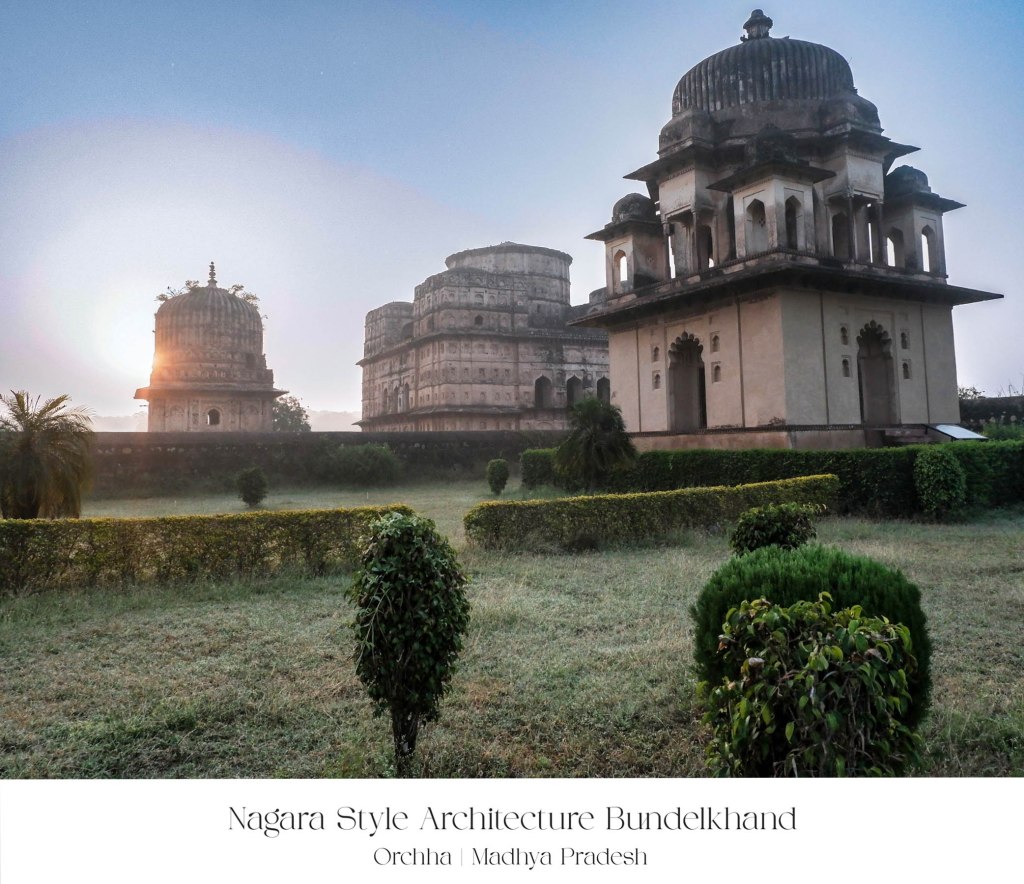
  • Gardener and Bundelkand

    7:05am November 11, 2025

    The mali (garden worker) named Vinod was very furious at me

    ‘Who allowed you to enter this site so early?’

    But he questioned me with a sense of respect.

    With a smile I told him

    ‘I am a harmless person, just allow me to experience the sunrise here.’

    The brilliant Bundelkand Nagara style architecture built by the mighty Chandela dynasty is a splendid study.

    Vinod agreed to have masala tea with me outside the royal chhatris of Orchha.

    The garden worker became extremely friendly with me. He took me to his village on his motorcycle. 

    Orchha | Madhya Pradesh | India

  • Taxi driver Patel

    I am thankful to Patel, a local taxi driver who provided me a room above his house. The stay there helped me reach the heritage site very early in the morning to watch the graceful sunrise.

    Patel is a much loved human, who worked in the hotel industry for many years and ventured into own taxi services. His service caters mostly to travellers who visit Khajuraho.

    His goodwill earned him trust, he has a will-wisher who supports him by sponsoring a trip every year- Patel gets to travel to various parts of the world by that travel sponsorship.

    On the night of November 2025, when I alighted on a platform of Khajuraho railway station, Patel was waiting there to find a passenger.

    He offered me his taxi service and took me to a hotel which I had booked online. 

    But fortunately the booking was declined by the hotel, as the only person who was at the campus of the hotel was the security guard. An unpleasant man. He outrightly refused to give me a room 

    His voice tone irritated me

    ‘This is an agricultural college and guest house, don’t expect a room here.’

    Patel smiled at me and said

    ‘Don’t worry, you come with me. A rest room is available up above my house. Just pay Rupees500/-for the stay, also I will be available to drive you to temple sites in Khajuraho.’

    I told Patel

    ‘Excellent, good plan. But I want to watch the sunrise, so ideally I want to reach Khajuraho Westend temple site by 5.50am.’

    Patel expressed his willingness and he impressed me with punctuality.

    Khajuraho | Madhya Pradesh | India

  • Hello Human!

    The minute it feels like some things are falling apart is the same minute others are attempting to come together. Trust how life wants to unfold. It’s all for you. It’s all for you.